
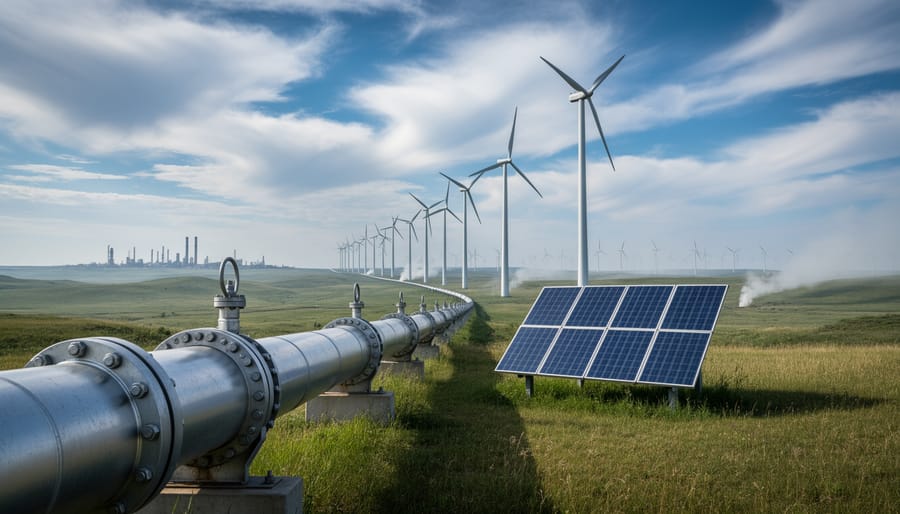
The Alberta Energy Regulator oversees the province’s entire energy lifecycle, from oil and gas operations to coal mines and renewable installations, ensuring safe development while protecting public interests and the environment. As Alberta’s independent regulator, the AER approves energy projects, monitors compliance, manages liability concerns, and enforces environmental standards across one of Canada’s most complex energy landscapes.
For anyone tracking Alberta’s evolving energy sector, understanding the AER’s role is essential. The regulator sits at the intersection of traditional resource extraction and the province’s growing clean energy ambitions. While Alberta built its economy on fossil fuels, the AER now balances legacy operations with an expanding portfolio of wind, solar, and geothermal projects that are reshaping the provincial grid.
The regulatory framework directly influences where renewable developers can build, how quickly projects receive approval, and what environmental standards apply. Recent policy updates have streamlined certain approval processes, though the specifics continue to evolve as Alberta refines its renewable energy roadmap. Communities near proposed energy sites, investors evaluating Alberta opportunities, and environmental advocates all watch AER decisions closely because they set the practical boundaries for the province’s energy transition.
The regulator’s technical mandate covers everything from well integrity and pipeline safety to reclamation obligations and water use. Understanding how the AER operates provides clarity on both the opportunities and constraints shaping Alberta’s energy future.
What the Alberta Energy Regulator Actually Does
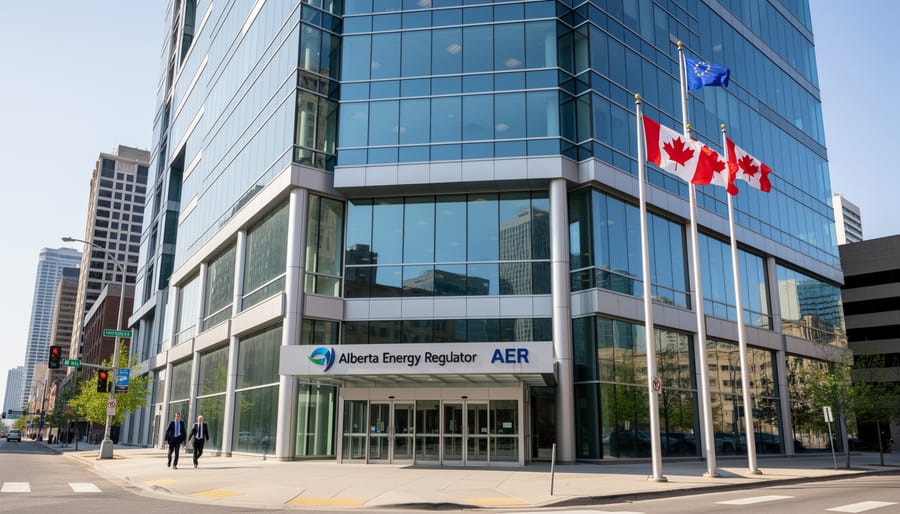
The Alberta Energy Regulator stands as the province’s independent authority overseeing the full lifecycle of energy resource development, from exploration and production through to abandonment and reclamation. Created through provincial legislation, the AER operates with a mandate that covers conventional oil and gas, oil sands, coal, and renewable energy projects across Alberta’s diverse landscape. Think of it as the watchdog ensuring that energy companies follow the rules while protecting public safety and the environment.
The regulator’s jurisdiction spans every stage of energy development within provincial boundaries. Companies need AER approval before drilling a well, building a pipeline, or constructing a wind farm. This oversight extends to operational monitoring, ensuring facilities meet safety standards, and ultimately holding operators accountable for cleaning up sites once production ends. Our role as regulator involves balancing economic development with environmental stewardship, a task that’s grown more complex as Alberta’s energy mix evolves.
At its core, the AER performs several distinct functions that shape how energy development unfolds in the province:
- Licensing and Approvals
- The AER reviews applications and grants permission for new energy projects, assessing technical merit, safety measures, and environmental impacts before development begins.
- Compliance and Enforcement
- Field inspectors monitor active operations to verify companies meet regulatory requirements, with authority to issue orders or penalties when violations occur.
- Liability Management
- The regulator tracks the financial obligations companies owe for eventual well closures and land restoration, protecting Albertans from inheriting cleanup costs.
- Public Engagement
- Through hearing processes and consultation requirements, the AER provides mechanisms for communities and landowners to participate in decisions affecting their areas.
The regulator publishes a Regulatory Change Report every Thursday, offering transparency into active initiatives during the fiscal year running from April 1 to March 31. This regular communication reflects a broader push toward openness as the AER adapts its framework to accommodate both traditional energy operations and the province’s expanding renewable sector.
Recent Regulatory Changes Signaling a New Direction
The Regulatory Change Report: Tracking Transparency
Every Thursday, the AER releases its Regulatory Change Report, offering a weekly snapshot of active regulatory initiatives underway during the current fiscal year, which runs from April 1 to March 31. Published every Thursday the report serves as a public window into what the regulator is working on right now, from policy development to stakeholder consultations.
The report’s purpose goes beyond just listing changes. It reflects the AER’s commitment to transparency, ensuring that industry players, environmental groups, and everyday Albertans can track which rules are being revised, which are under review, and which have been finalized. Since April 2023, the report has included administrative changes alongside substantive regulatory updates, giving a complete picture of the AER’s activities without affecting actual regulatory outcomes.
For anyone watching Alberta’s energy transition, this weekly publication is a practical tool. It helps renewable energy developers anticipate upcoming requirements, allows communities to see when local project oversight might shift, and gives investors early visibility into regulatory direction. The report isn’t flashy, but it’s consistent and accessible, turning what could be an opaque bureaucratic process into something Albertans can actually follow. In June 2026, for example, the report flagged that Manuals 001, 002, 005 rescinded were effective immediately, giving stakeholders real-time notice of significant changes to inspection and facility oversight protocols.
Where Renewable Energy Fits Into AER Oversight
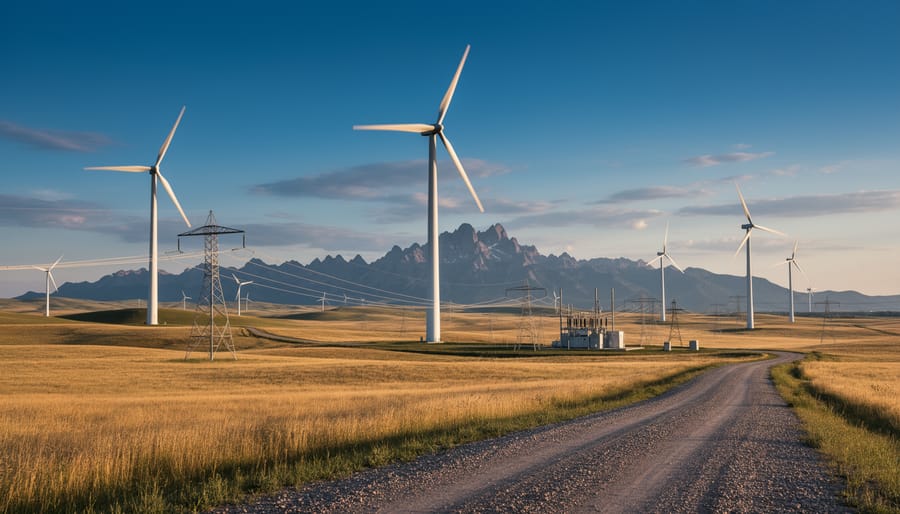
The AER’s regulatory framework, historically designed for conventional oil and gas operations, now extends to Alberta’s expanding renewable energy sector. Wind farms, solar installations, and battery storage projects all fall under provincial oversight, though the regulatory approach differs significantly from traditional fossil fuel extraction. Understanding how clean energy works helps clarify why these projects require distinct regulatory considerations, from land use patterns to grid integration requirements.
Alberta’s renewable energy projects must navigate application processes that address environmental impacts, land rights, and community consultation, similar to conventional energy but with key differences. Solar farms require surface land assessments rather than subsurface mineral rights evaluation, while wind projects face unique considerations around wildlife corridors and viewshed impacts. The AER evaluates these applications alongside traditional energy proposals, applying risk-based oversight that reflects each technology’s specific characteristics and potential environmental footprint.
Current renewable project types regulated by the AER include:
- Utility-scale wind farms exceeding 5 MW capacity
- Commercial solar installations over 10 MW
- Battery energy storage systems connected to the provincial grid
- Hydrogen production facilities using renewable electricity
- Geothermal energy projects for electricity generation
The regulator’s evolving framework recognizes that renewable energy development operates on different timelines and risk profiles than conventional extraction. Wind and solar projects typically have shorter construction periods, reversible land impacts, and no ongoing extraction activities. This reality has prompted the AER to adapt its inspection protocols and reporting requirements, moving away from the intensive monitoring needed for active wells toward frameworks focused on construction compliance and operational safety.
Alberta’s substantial solar and wind potential has accelerated regulatory adaptation. The province’s southern regions offer some of Canada’s strongest wind resources and highest solar irradiance, attracting significant investment. The AER’s response includes streamlined pathways for projects meeting standard technical specifications while maintaining rigorous oversight for novel technologies or environmentally sensitive locations. This balancing act reflects the regulator’s mandate to enable responsible development across Alberta’s entire energy spectrum, not just traditional resources.
Why Regulatory Reform Matters for Green Investment
Balancing Environmental Protection with Development
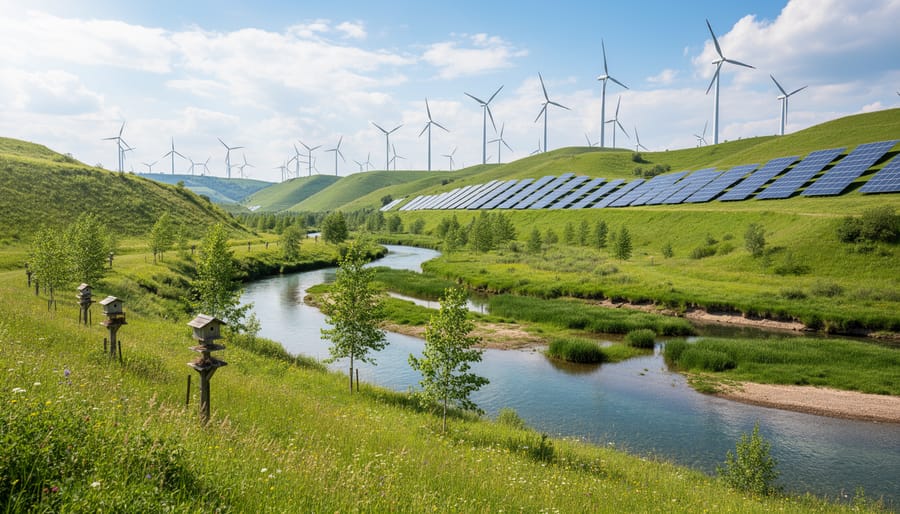
The AER operates under a framework that requires it to enable energy development while safeguarding Alberta’s land, water, and air. This isn’t a simple trade-off between economy and environment. The regulator must ensure projects meet safety standards, minimize ecological impact, and protect public health without creating barriers that stifle investment or innovation.
For renewable energy projects, this balance takes on specific dimensions. Wind farms, for instance, require site assessments that consider wildlife migration patterns, noise impacts on nearby residents, and land reclamation plans. Solar installations face scrutiny around water use, habitat disruption, and decommissioning protocols. The AER’s oversight extends to these projects just as it does to conventional energy, applying rigorous standards regardless of the energy source.
Recent regulatory shifts reflect an attempt to streamline oversight without compromising environmental outcomes. The June 2026 rescission of Manual 001 and related documents signals a move toward updated inspection protocols and reporting mechanisms. These changes aim to reduce administrative burden while maintaining the core environmental protections that define responsible resource development in Alberta.
Community concerns about renewable projects often center on tangible issues like proximity to homes, potential effects on property values, and health considerations. Questions about wind turbines and health have prompted the AER to incorporate public consultation processes and setback requirements into approval frameworks. The regulator’s role includes validating that developers address these concerns with credible data and appropriate mitigation measures.
This dual mandate matters because it shapes what gets built and where. Effective regulation creates confidence that renewable projects will operate safely and responsibly, which ultimately supports the broader transition to cleaner energy sources across Alberta.
What Local Communities Should Watch For
Alberta residents have more access to regulatory information than ever before, but knowing where to look makes all the difference when energy projects are proposed near your community.
The most direct way to track what the AER is doing is through the Regulatory Change Report, published every Thursday on the regulator’s website. This weekly summary covers all active regulatory initiatives during the current fiscal year (April 1 to March 31), giving you a clear window into proposed changes before they take effect. Since April 2023, the report has included administrative changes for completeness and transparency, though these administrative updates do not affect regulatory outcomes. Check the report regularly if you want to understand shifts in how energy projects, renewable or otherwise, will be reviewed and approved in Alberta.
Beyond the weekly reports, pay attention to numbered bulletins issued by the AER. For example, Bulletin 2026-24 released on June 18, 2026 announced the immediate rescission of Manuals 001, 002, and 005, including the Facility and Well Site Inspections manual. These bulletins signal significant policy shifts that can change how projects in your region are assessed and monitored.
When a specific energy project is proposed near you, the consultation process is your formal channel to ask questions and raise concerns. The AER requires project proponents to notify and consult with potentially affected landowners and residents. Request copies of applications, attend public hearings when offered, and submit written statements during comment periods. Your input becomes part of the official record and can influence approval conditions or project modifications that protect local interests and environmental quality.
The Alberta Energy Regulator stands at a crucial intersection in the province’s energy story. As Alberta moves forward with its clean energy ambitions, the AER’s commitment to transparent oversight creates the foundation investors need and communities deserve. The weekly Regulatory Change Report, published every Thursday, exemplifies this transparency, giving everyone from renewable energy developers to local residents clear sight lines into how rules evolve throughout each fiscal year.
What makes this moment particularly promising is how the AER balances its traditional mandate with emerging realities. The rescission of outdated manuals in June 2026 wasn’t just administrative housekeeping. It signaled a regulator willing to shed legacy processes that no longer serve Alberta’s diversifying energy landscape. When oversight keeps pace with innovation rather than lagging behind it, everyone benefits.
The path ahead won’t be simple. Alberta’s energy sector has built prosperity on conventional resources, and thoughtful regulation must honour that legacy while enabling what comes next. But the AER’s approach, rooted in public accountability, responsive to industry needs, and increasingly attuned to environmental imperatives, suggests that economic growth and environmental progress aren’t competing priorities. They’re complementary ones.
For Albertans watching this transition unfold, the regulator’s role matters more than headlines often suggest. Smart oversight doesn’t just prevent problems. It creates the conditions where clean energy can scale, communities can engage meaningfully, and Alberta can demonstrate that resource provinces can lead on climate action. That’s the opportunity transparent regulation makes possible.