
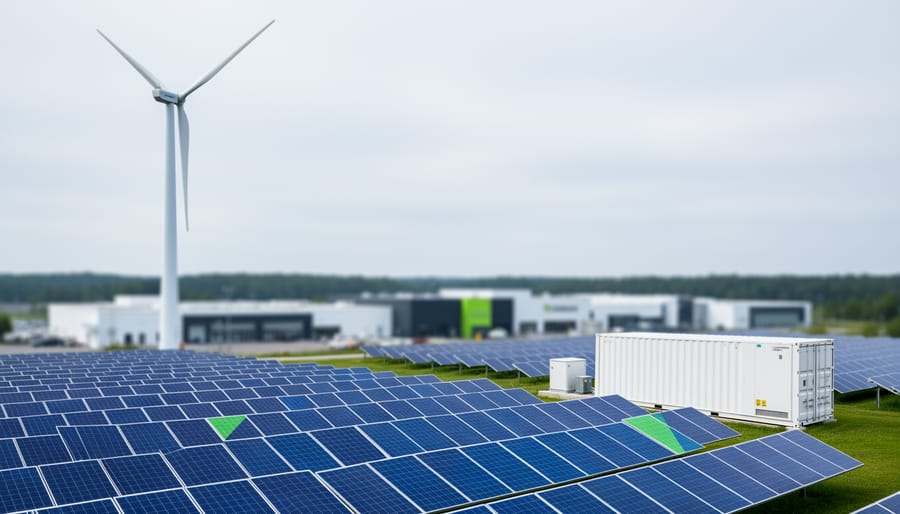
The Canadian Renewable Energy Association stands as the nation’s largest voice for wind, solar, and energy storage industries, representing over 350 companies that collectively employ more than 60,000 Canadians. Born from the 2020 merger of the Canadian Wind Energy Association and the Canadian Solar Industries Association, CanREA has become the central advocacy organization shaping how Canada transitions to clean power.
This national trade association doesn’t just represent corporate interests. It actively bridges the gap between renewable energy developers, equipment manufacturers, financial institutions, and government policymakers. When Ottawa introduced major clean electricity investment tax credits in 2024, CanREA played a crucial role in ensuring the framework supported both large-scale utility projects and distributed generation systems.
The organization’s influence extends far beyond lobbying. CanREA develops industry standards, publishes market research that guides billions in investment decisions, and coordinates workforce development programs to address the skilled labor shortage facing Canada’s renewable sector. Their annual conference has become the premier gathering for anyone serious about understanding where Canadian clean energy markets are heading.
For citizens tracking Canada’s climate commitments, CanREA serves as a critical translator. The association breaks down complex regulatory changes, explains how grid modernization affects renewable integration, and provides transparent data on project development across provinces. Whether you’re considering solar installation, evaluating green investment opportunities, or simply want to understand why your province’s energy mix is changing, CanREA’s work touches every aspect of Canada’s renewable transformation.
The Birth of a Unified Voice: How CanREA Came to Be
Canada’s renewable energy sector had a problem: two separate industry associations competing for attention in policy discussions, dividing resources and diluting the collective message that could move markets. Wind projects fell under the Canadian Wind Energy Association (CanWEA), while solar developers looked to the Canadian Solar Industries Association (CanSIA) for representation. This fragmentation weakened the industry’s voice precisely when Canada needed accelerated clean energy deployment to meet climate commitments.
The solution came through consolidation. CanSIA and CanWEA merged on July 1, 2020 to form the Canadian Renewable Energy Association, creating a unified force representing wind, solar, and energy storage under one umbrella. The merger wasn’t just administrative housekeeping. It reflected the reality that these technologies no longer competed but complemented each other in modern grid planning, where solar generation peaks during the day while wind often produces more at night.
By combining institutional knowledge, membership networks, and advocacy capacity, the new organization could push harder on regulatory barriers that affected all renewable technologies. A single association meant streamlined communication with government officials, consolidated research on grid integration challenges, and a stronger negotiating position when utilities issued procurement requests. Instead of splitting attention between separate wind and solar events, the industry could coordinate national conferences that attracted broader participation from utilities, investors, and equipment suppliers.
The timing mattered. As provinces began updating electricity plans for 2030 and 2050 decarbonization targets, having one organization present coordinated positions on transmission access, market design, and permitting reform gave renewable energy a clearer path to influence policy outcomes that shape market conditions across Canada.
CanREA’s Mission: Building Canada’s Net-Zero Electricity System
CanREA’s stated mission zeroes in on one transformative goal: creating the conditions for a modern, decarbonized, and greatly expanded electricity system across Canada. That might sound like standard industry rhetoric, but the emphasis on creating conditions rather than just building projects reveals the association’s real function. CanREA doesn’t develop wind farms or install solar panels itself. Instead, it works to reshape the regulatory, policy, and market environments that determine whether those projects get built at all.
This mission translates into two interconnected streams of practical work. First, stakeholder advocacy targets the decision-makers who control market access, provincial energy ministries, utility executives, grid operators, and federal agencies responsible for climate policy. CanREA represents its members in regulatory proceedings, submits positions on electricity market design, and pushes for procurement mechanisms that reflect the solar and wind potential available across different Canadian regions. Second, public engagement builds the social license renewables need to scale. That means educating Canadians about grid modernization, countering misinformation about intermittency or costs, and demonstrating how an expanded clean electricity system creates jobs and economic opportunities beyond the traditional energy sector.
The work matters because Canada’s electricity system faces a dual challenge: decarbonizing existing fossil generation while simultaneously expanding capacity to electrify transportation, heating, and industrial processes. CanREA’s advocacy directly influences whether provinces adopt market rules that enable storage integration, whether procurement timelines match industry development cycles, and whether grid connection processes become barriers or gateways. When the association argues for faster permitting or improved revenue certainty for renewable projects, it addresses friction points that slow market adaptation and increase costs for developers and ultimately ratepayers.
By concentrating industry expertise and coordinating member voices, CanREA turns fragmented company positions into coherent policy recommendations that governments can actually act on.
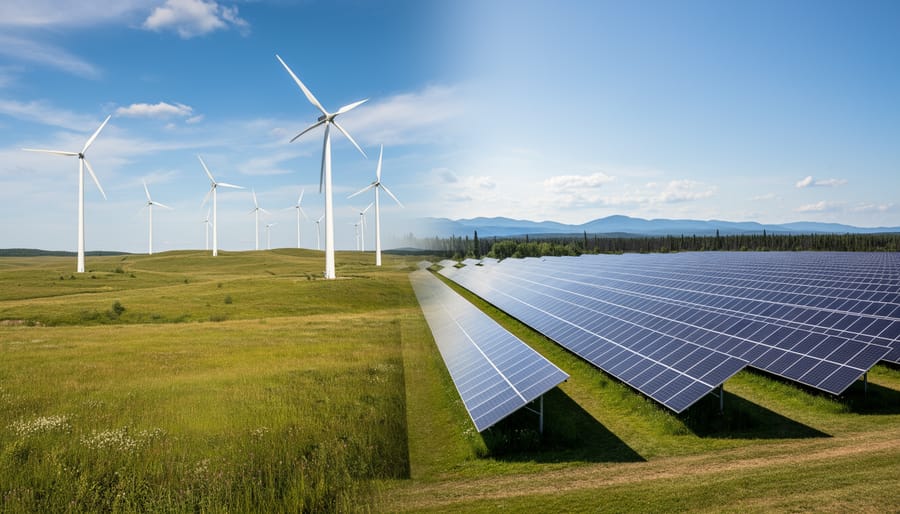
Who Makes Up CanREA? Understanding the 300+ Member Network
The Canadian Renewable Energy Association draws its strength from a coalition of 300+ member organizations that represent every corner of Canada’s renewable energy sector. This network spans the complete value chain, from companies developing massive wind farms in Alberta to manufacturers producing solar panels in Ontario, and from energy storage innovators in British Columbia to engineering firms designing grid integration solutions across the country.
The membership base includes:
- Project developers and independent power producers building renewable energy facilities
- Equipment manufacturers and technology suppliers providing turbines, panels, and storage systems
- Engineering and consulting firms designing and optimizing renewable installations
- Financial institutions and investors funding clean energy projects
- Law firms and policy advisors navigating regulatory frameworks
- Service providers supporting operations and maintenance
This diversity creates a powerful dynamic. When CanREA advocates for policy changes, it speaks with the combined weight of developers who need stable procurement frameworks, manufacturers seeking market predictability, and service providers focused on operational efficiency. A wind developer in Saskatchewan and a solar installer in Nova Scotia face different regional challenges, but both benefit when the association secures improved interconnection standards or streamlined permitting processes.
The breadth of membership also means CanREA can address the full complexity of market adaptation. Storage companies bring expertise on grid flexibility, while utilities contribute operational perspectives that keep advocacy grounded in system realities. This comprehensive representation strengthens the association’s credibility with government decision-makers, who recognize that CanREA’s positions reflect genuine industry consensus rather than narrow sectoral interests. The result is advocacy that accounts for real-world trade-offs and promotes solutions that work across the entire renewable energy ecosystem.

How CanREA Drives Market Growth for Wind, Solar, and Storage
Advocacy That Moves Markets Forward
CanREA’s advocacy work creates the regulatory and market conditions that determine whether renewable energy projects get built in Canada. The association engages directly with federal and provincial governments to shape policies that affect everything from grid connection timelines to carbon pricing mechanisms. By representing the collective interests of wind, solar, and storage developers, CanREA brings industry expertise to policy discussions that individual companies couldn’t access alone.
The association’s influence extends to procurement design, where it advocates for competitive processes that reflect current solar and storage trends and cost structures. When provinces design electricity auctions or utilities plan long-term supply, CanREA provides technical input on contract terms, project timelines, and pricing mechanisms that make projects financially viable. This behind-the-scenes work directly affects which technologies get deployed and how quickly.
CanREA also works to remove regulatory barriers that slow deployment. Interconnection queues, environmental assessment processes, and provincial permitting requirements all determine project economics. The association identifies where outdated rules create unnecessary delays and presents solutions based on members’ real-world experience.
Investment conditions improve when CanREA successfully advocates for policy stability and transparent regulatory frameworks. Developers and financiers need predictable rules to commit capital, and the association’s engagement with policymakers helps create that certainty across Canada’s fragmented provincial electricity markets.
Member Engagement and Shaping Canada’s Energy Future
CanREA’s membership structure transforms industry advocacy from a top-down process into a collaborative effort where companies directly influence the association’s positions and priorities. Members don’t simply pay dues and receive updates, they participate in working groups, contribute technical expertise to policy submissions, and help define the strategic direction that shapes how Canada’s renewable energy markets evolve.
This collaborative model matters because effective market adaptation requires ground-level knowledge from the companies actually developing projects, manufacturing equipment, and navigating regulatory challenges. When a developer faces permitting obstacles in Ontario or a storage provider encounters interconnection delays in Alberta, that operational intelligence flows back through CanREA’s member network and informs the association’s advocacy priorities. The result is policy positions grounded in real market conditions rather than theoretical frameworks.
Members can engage through committees focused on specific technologies or regional issues, ensuring the association’s voice reflects the full spectrum of renewable energy sectors across Canada’s diverse provincial markets. This structure creates feedback loops between market participants and policy advocates, accelerating the industry’s ability to identify barriers and coordinate responses that enable faster adaptation to renewable energy deployment.
CanREA’s Impact on Market Adaptation Across Canadian Provinces
Canada’s electricity system operates under provincial jurisdiction, which means the Canadian Renewable Energy Association must navigate ten provinces and three territories, each with distinct regulatory frameworks, resource profiles, and political priorities. This decentralized structure presents both challenges and opportunities for advancing renewable energy deployment across the country.
Western provinces like Alberta and Saskatchewan traditionally relied on coal and natural gas, but both are experiencing significant transitions. CanREA works with these jurisdictions to support wind and solar integration into thermal-dominated grids, addressing concerns about grid stability and market design. In Alberta’s deregulated electricity market, the association engages with stakeholders on procurement mechanisms that recognize the value renewables bring to a reliable power grid while maintaining competitive wholesale pricing.
Ontario and Quebec present different landscapes. Ontario shut down coal early and developed substantial renewable capacity but faced backlash over contracted pricing and curtailment issues. CanREA’s work here focuses on modernizing procurement approaches and ensuring existing renewable assets continue contributing to decarbonization goals. Quebec’s hydroelectric dominance creates unique opportunities for pairing storage and wind with existing infrastructure, where the association advocates for policies that leverage complementary generation profiles.
Atlantic provinces face economic challenges that make project financing more difficult despite excellent wind resources, particularly offshore. CanREA tailors its advocacy in these markets to emphasize how renewable development creates local employment and reduces reliance on imported fossil fuels, making economic arguments that resonate with regional priorities.
British Columbia’s hydro-rich system presents opportunities similar to Quebec’s, where the association works to position wind and solar as partners rather than competitors to existing generation. The focus shifts toward electrification of transportation and heating sectors that will require expanded generation capacity regardless of source.
This province-by-province approach ensures CanREA’s advocacy reflects real market conditions rather than applying one-size-fits-all solutions to Canada’s diverse energy landscape.
Why CanREA Matters for Canada’s Clean Energy Transition
Canada’s transition to net-zero electricity by 2035 requires coordinated industry action, and CanREA serves as the critical organizing force that turns fragmented renewable energy interests into cohesive market influence. The association accelerates adaptation by translating technical capabilities into policy outcomes, helping governments understand what the renewable energy sector can deliver and what regulatory changes would unlock faster deployment. Without this bridge between industry and policymakers, renewable energy projects face longer approval timelines, unclear investment signals, and inconsistent provincial frameworks that slow market growth.
The practical challenges of transforming Canada’s electricity grid extend beyond technology to market design, interconnection standards, and procurement processes that weren’t built for variable renewable generation. CanREA’s member network brings real-world deployment experience to these discussions, offering evidence-based solutions rather than theoretical frameworks. This grounding in operational reality makes the association’s advocacy more credible and increases the likelihood that policy changes will actually accelerate market adaptation rather than creating new obstacles.
CanREA’s public engagement work also matters because electricity system transformation requires social license. The association helps Canadians understand how wind, solar, and storage technologies work, what benefits they deliver, and how grid modernization affects communities. By building public support for renewable energy infrastructure, CanREA creates political conditions that allow governments to make ambitious policy commitments and utilities to pursue aggressive clean energy procurement.
The Canadian Renewable Energy Association stands as Canada’s essential coordinating force for wind, solar, and storage industries, a position that becomes more critical with each step toward net-zero electricity. Since its 2020 formation, CanREA has proven that unified advocacy accelerates market adaptation far more effectively than fragmented efforts ever could. The association’s 300+ member network doesn’t just represent industry interests, it actively shapes the regulatory frameworks, procurement processes, and investment conditions that determine whether renewable projects get built or stalled.
Canada’s decarbonization timeline leaves no room for reactive policy approaches. CanREA’s value lies in anticipating the barriers renewable energy faces across provincial markets and mobilizing stakeholders to address them before they slow deployment. As electricity demand grows and climate commitments tighten, the association’s role in coordinating industry response to evolving market conditions will only intensify. The connection between effective advocacy and successful grid transformation isn’t theoretical; it’s playing out in real procurement outcomes, regulatory changes, and investment decisions across the country right now.